Low-risk practice for high-friction conversations
AI Role-Play & Customer Service Training Simulations
Give people repeatable practice before a difficult customer conversation. SideQuest Studio builds AI role-play simulations around your scenarios, desired behaviors and coaching criteria.

Practice a specific conversation
An effective scenario gives the learner a role, a customer problem and realistic constraints. The task might be clarifying an unclear request, responding to frustration or explaining a policy without overpromising. A defined situation gives the learner something concrete to attempt and the coach something meaningful to review.
Feedback that a coach can examine
Agree on observable behaviors before adding scores: Did the learner ask a useful question? Acknowledge the concern? Explain a next step? Feedback should point back to the interaction and make room for human judgment. A fluent AI response is not proof of an accurate assessment.
Try the public example, then scope your version
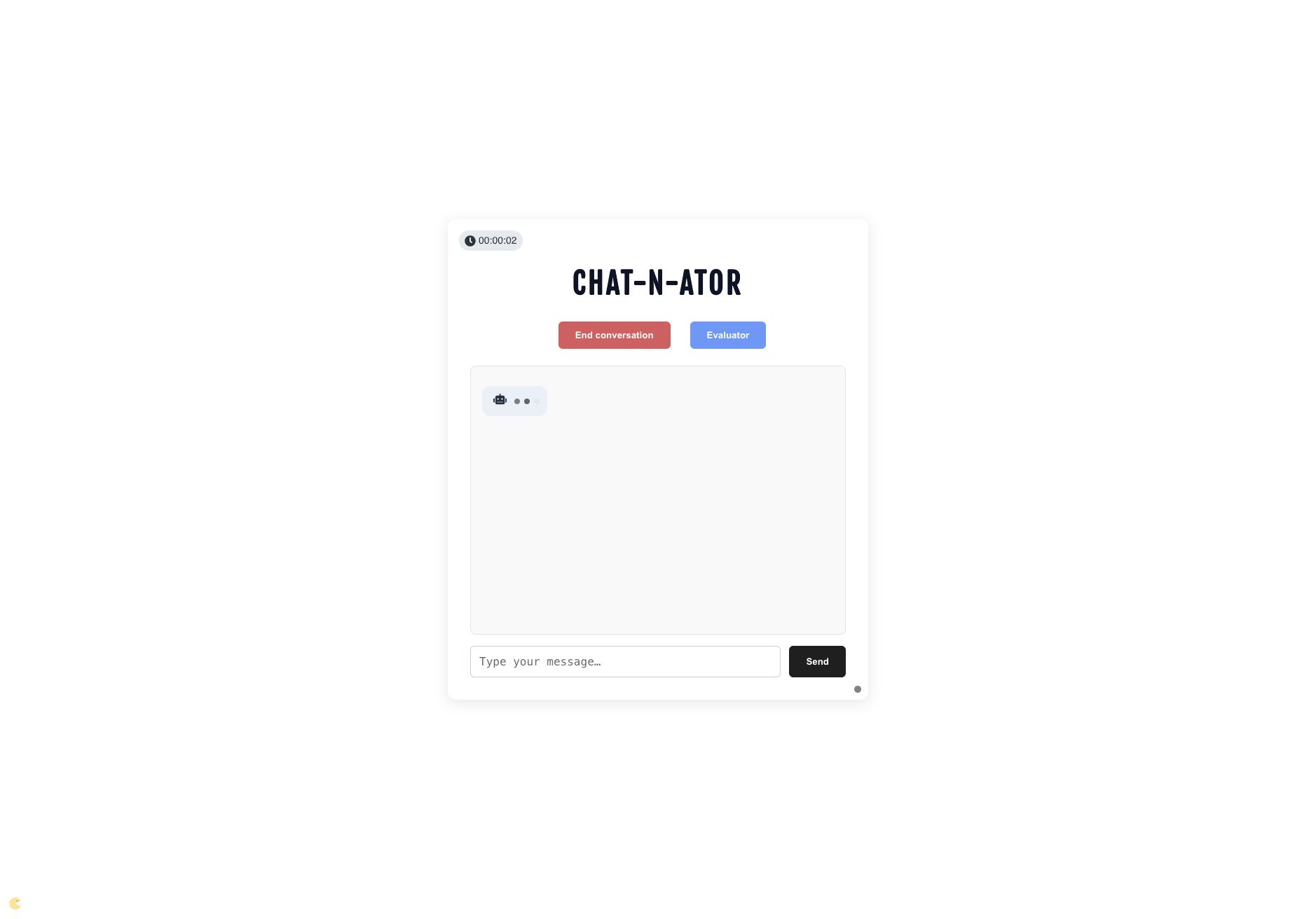
PURPLE demonstrates a timed customer-service practice flow. Use it to discuss the kind of learner experience you want, then define scenario content, review responsibilities, data boundaries and the delivery platform for a custom version. The public beta is a demonstration, not evidence of measured training outcomes.
Practical guide: How to Design AI Role-Play Practice for Customer Service Training →
Frequently asked questions
Useful details before we talk
What does the learner experience?
The learner receives a role, context, and goal, then responds through a guided conversation. The experience can provide in-the-moment consequences and a structured review after practice.
What does the learning team receive?
That depends on scope, but may include reusable scenario structures, configuration guidance, scoring logic, analytics events, and an administrator review path.
Can scenarios be customized?
Yes. Situation, persona, tone, constraints, desired behaviors, evaluation criteria, and feedback can be shaped for the audience and use case.
What are the limitations?
AI output can be inconsistent and must be tested. High-stakes assessment, employment decisions, or sensitive coaching require human oversight, clear limitations, and careful data handling.
Is conversation text sent to analytics?
No. SideQuest Studio's analytics guardrails exclude message contents, names, email addresses, generated text, and other user-created content.